
Oh my goodness, get ready to have your world rocked! Today, we’re diving headfirst into the glorious, mouth-numbing, and utterly addictive world of Mapo Tofu. Seriously, if you haven’t experienced authentic Sichuan cuisine, you are in for a treat. This isn’t just any tofu dish; it’s a legendary culinary masterpiece from China’s Sichuan province, known for its bold flavors and that super unique “mala” sensation.
I still remember my first bite of real Mapo Tofu. It was at this tiny, unassuming restaurant tucked away in a strip mall, and I was skeptical. Tofu? Spicy? But one spoonful, and I was hooked! The silky tofu, the rich, savory, and fiery sauce, the tender ground beef or lamb… it was an explosion of flavor I’d never encountered before. It truly opened my eyes to the incredible depth of Chinese cooking beyond what I thought I knew.
This recipe isn’t just about recreating that dish; it’s about bringing that incredible experience right into your kitchen. It’s got all the classic elements – the fermented broad bean paste, the black beans, the aromatic ginger and garlic, and of course, those magical Sichuan peppercorns. We’re talking authentic, deeply satisfying Mapo Tofu that’ll make your taste buds sing!
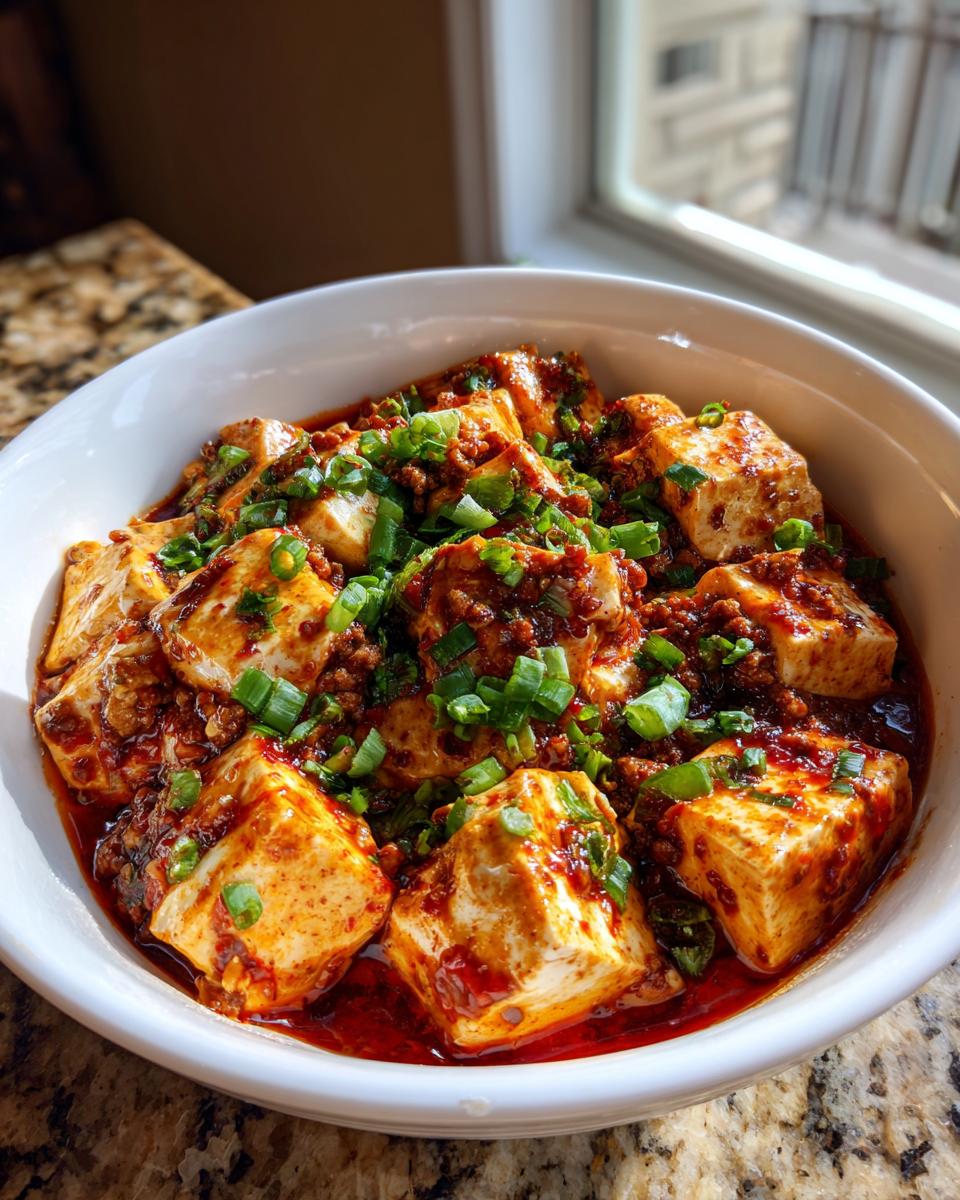
Why You’ll Love This Mapo Tofu Recipe
Honestly, what’s not to love? This Mapo Tofu recipe hits all the right notes! It’s designed to bring that incredible restaurant-quality taste right to your dinner table without all the fuss. You’ll adore it because:
- It’s super quick to whip up, perfect for those busy weeknights.
- The flavors are so authentic, you’ll feel like you’ve been transported to Chengdu.
- You can totally dial the spice up or down to exactly how you like it.
The Authentic Taste of Mapo Tofu
Oh, the taste! This isn’t some watered-down version, my friend. We’re talking about that glorious “mala” sensation – the unique numbing and spicy kick from the Sichuan peppercorns that just dances on your tongue. Coupled with the rich, savory depth of doubanjiang and douchi, every single spoonful is an explosion of authentic Sichuan flavor that’s just out of this world. It’s what makes this Mapo Tofu truly special.
Quick and Easy Mapo Tofu for Weeknights
Who says incredible flavor has to take forever? Not me! This Mapo Tofu recipe is an absolute lifesaver for weeknights. We’re talking minimal prep, and the whole thing comes together in under 30 minutes. Seriously, it’s faster than ordering takeout, and trust me, it tastes a million times better because *you* made it! It’s flavorful, satisfying, and so incredibly simple.
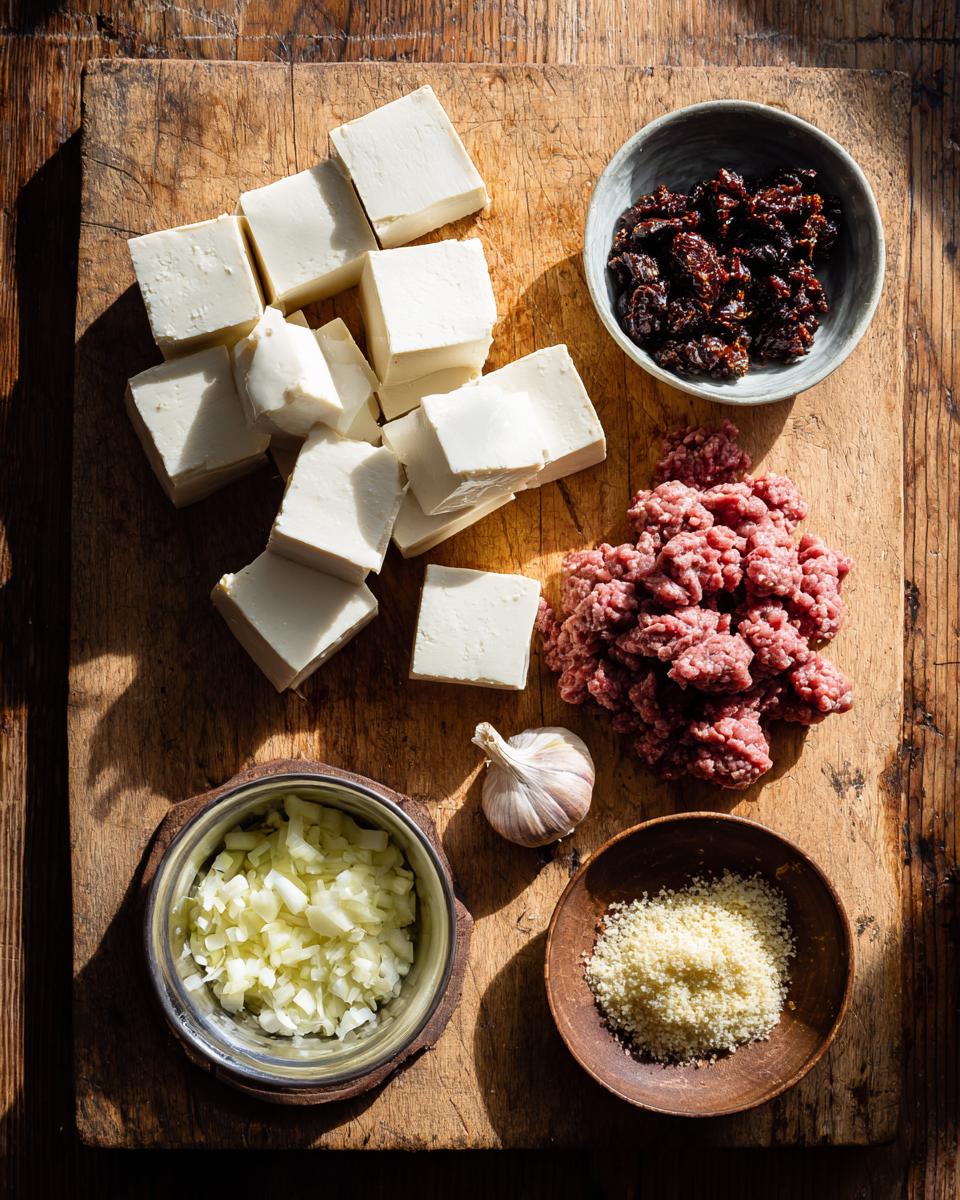
Essential Ingredients for Mapo Tofu
Alright, let’s talk ingredients! To make this incredible Mapo Tofu, you don’t need anything too wild, but a few key items are absolutely non-negotiable for that authentic flavor. First up, you’ll want one pound of soft tofu, drained really well and cut into nice 1-inch cubes – gentle handling is key here! For the meat, I go for about half a pound of ground beef or lamb, cooked until beautifully browned. Then, the stars of the show: two tablespoons of doubanjiang (that’s Sichuan chili bean paste, folks!) and one tablespoon of douchi, which are fermented black beans, rinsed and roughly chopped.
You’ll also need two cloves of garlic, finely minced, and about an inch of fresh ginger, grated – trust me, fresh makes a huge difference! For the liquid base, grab half a cup of chicken or vegetable broth, plus one tablespoon of soy sauce and a teaspoon of sugar to balance everything out. Don’t forget that magical half teaspoon of ground Sichuan peppercorns for the “ma la” kick! Finally, a cornstarch slurry (one tablespoon cornstarch mixed with two tablespoons water) for thickening, two tablespoons of your favorite cooking oil, and two green onions, chopped, for a fresh garnish at the end. That’s it – simple, right?
Step-by-Step Guide to Making Mapo Tofu
Okay, now for the fun part: getting this incredible Mapo Tofu from your counter to your plate! Don’t worry, I’m going to walk you through every single step, just like I would if we were cooking together in my kitchen. It’s surprisingly straightforward, and you’ll be amazed at how quickly it all comes together.
Preparing Your Mapo Tofu Base
First things first, let’s get that wok or a large skillet nice and hot over medium-high heat. Swirl in about two tablespoons of your cooking oil – any neutral oil works great here. Once it shimmers, toss in your ground beef or lamb. Now, this is where you get to be a little aggressive (in a good way!). Use your spoon to break up the meat into tiny crumbles as it cooks. You want it beautifully browned, not just gray! If you end up with a lot of excess fat, go ahead and drain it off – we want flavor, not grease. Next up, it’s flavor town! Add your doubanjiang, douchi, minced garlic, and grated ginger to the wok. Stir-fry this aromatic mixture for just one to two minutes. You’ll know it’s ready when your kitchen smells absolutely heavenly and the paste has deepened in color.
Simmering and Thickening Your Mapo Tofu
Now for the liquid gold! Pour in your chicken or vegetable broth, the soy sauce, that little bit of sugar, and of course, your ground Sichuan peppercorns. Give it a good stir and bring it up to a gentle simmer. This is where all those incredible flavors really start to meld together. Once it’s simmering, it’s time to introduce our star: the tofu! Gently, oh so gently, add the tofu cubes to the sauce. You don’t want to break them up, so stir very, very carefully to coat them in that glorious red sauce. Let it all simmer together for about five to seven minutes. This allows the tofu to soak up all those amazing flavors. While that’s happening, give your cornstarch slurry a quick stir – cornstarch tends to settle at the bottom. Then, slowly drizzle it into the simmering sauce, stirring constantly. Watch the magic happen as the sauce thickens to that perfect, glossy consistency. You might not need all of it, so add it little by little until it’s just right for you.
Serving Your Delicious Mapo Tofu
Almost there! Give your Mapo Tofu a quick taste. This is your moment to adjust anything – maybe a tiny bit more soy sauce, or another pinch of sugar if you like it a touch sweeter. Once you’re happy, ladle that beautiful, bubbling Mapo Tofu into bowls. The final touch? A generous sprinkle of fresh, chopped green onions right over the top. Those bright green bits not only add a pop of color but also a lovely fresh oniony bite. Serve it immediately, piping hot, with a big bowl of steamed white rice. Trust me, you’ll want that rice to soak up every last drop of that amazing sauce!
Tips for Perfect Mapo Tofu
Alright, you’ve got the steps down, but let me share a few little secrets that will take your Mapo Tofu from “good” to “OMG, I need more!” These are the things that really make a difference, trust me. Pay attention to your ingredients, especially the quality of your doubanjiang – it’s the heart of the dish! Don’t rush the simmering; letting those flavors meld is crucial. And remember, cooking is all about tasting as you go. Don’t be afraid to adjust things to *your* perfect balance!
Achieving the Signature “Ma La” in Mapo Tofu
Okay, let’s talk “ma la” – that incredible, unique numbing sensation that makes Mapo Tofu so famous! It all comes from the Sichuan peppercorns. Don’t skip them, and don’t substitute them! For the best effect, I like to grind them fresh right before adding them to the dish. You can even toast them lightly in a dry pan for a minute or two before grinding to really wake up their flavor. If you want an extra punch, you can even infuse some oil with whole Sichuan peppercorns first, then strain them out before cooking. It’s a game-changer!
Customizing Your Mapo Tofu Spice Level
Listen, we all have different spice tolerances, and that’s totally fine! This Mapo Tofu recipe is super flexible. If you like it scorching hot, feel free to add an extra tablespoon (or two, if you’re brave!) of doubanjiang. You can also throw in a pinch of dried chili flakes with the aromatics for an added kick. On the flip side, if you’re a bit wary of the heat, start with a little less doubanjiang and taste before adding more. You’re the boss of your kitchen, so make it perfect for *you*!
Mapo Tofu Variations and Serving Suggestions
One of the best things about Mapo Tofu is how wonderfully versatile it is! While the classic is amazing, you can absolutely play around with it to suit your tastes or what you have on hand. Don’t be afraid to experiment a little – that’s what cooking is all about! And of course, once you’ve got your delicious Mapo Tofu ready, you’ll want to serve it up with some perfect accompaniments to make it a complete, satisfying meal.
Vegetarian Mapo Tofu Options
Absolutely! Making this Mapo Tofu vegetarian is super easy and just as delicious. The simplest swap is to just omit the ground beef or lamb entirely. The sauce is so rich and flavorful, you won’t even miss it! Or, if you want some extra oomph, you can substitute the meat with finely minced mushrooms (cremini or shiitake work great!) or even a plant-based ground meat alternative. Just make sure to use vegetable broth instead of chicken broth, and you’re good to go!
What to Serve with Mapo Tofu
For me, there’s really only one non-negotiable side: a big, steaming bowl of plain white rice! It’s perfect for soaking up all that incredible, spicy, and savory sauce. Beyond that, a simple, refreshing side dish like some blanched green beans with a light sesame dressing, or a quick cucumber salad, would be fantastic to cut through the richness. You could even do some stir-fried bok choy or a clear, light broth soup if you’re feeling fancy!
Common Questions About Mapo Tofu
Okay, I know when you’re trying a new recipe, especially one with such bold flavors like Mapo Tofu, questions pop up! So, I’ve gathered some of the most common ones I get asked about this dish. Hopefully, these answers will clear up any lingering doubts and get you even more excited to cook!
Can I Make Mapo Tofu Ahead of Time?
You absolutely can, but with a little caveat! Mapo Tofu is definitely best served fresh, right off the stove, especially for that amazing “mala” sensation. However, if you need to prep ahead, you can cook the whole dish and store it in an airtight container in the fridge for up to 2-3 days. When reheating, do it gently on the stovetop over low heat, and you might want to add a tiny splash of broth or water to loosen the sauce back up. The tofu might get a little softer, but the flavors will still be fantastic!
What is Doubanjiang in Mapo Tofu?
Ah, doubanjiang! This is one of the absolute heroes of Mapo Tofu, and really, of all Sichuan cooking. It’s a fermented broad bean and chili paste, and it brings this incredible depth of savory, spicy, and slightly funky flavor to the dish. There are different kinds, but the Pixian doubanjiang is considered the gold standard. You can usually find it in Asian grocery stores. It’s non-negotiable for authentic Mapo Tofu; it’s what gives the sauce its signature rich, reddish-brown color and complex taste!
Is Mapo Tofu Very Spicy?
Well, traditionally, yes, Mapo Tofu *is* known for being quite spicy! That’s part of its charm. The heat comes primarily from the doubanjiang and the chili oil that’s often used. But here’s the good news: you are in control! You can absolutely adjust the spice level to your preference. If you’re sensitive to heat, start with a little less doubanjiang and omit any extra chili flakes. If you love a good kick, feel free to add a bit more of the paste or even a drizzle of chili oil at the end. It’s all about finding *your* perfect balance!
Estimated Nutritional Information for Mapo Tofu
Okay, for those of you who like to keep an eye on what you’re eating (and I totally get it!), here’s a general idea of the nutritional breakdown for one serving of this amazing Mapo Tofu. Now, please remember, these are just *estimates*! The exact numbers can totally swing depending on the brands of ingredients you use, how much oil you add, and even the leanness of your ground beef or lamb. Think of this as a helpful guide, not a strict rulebook!
- Serving Size: 1 serving
- Calories: Approximately 350
- Fat: Around 25g (this includes about 8g of Saturated Fat and 15g of Unsaturated Fat)
- Cholesterol: About 50mg
- Sodium: Roughly 700mg (those delicious fermented pastes add flavor, and a little sodium!)
- Carbohydrates: Approximately 15g
- Fiber: Around 3g
- Sugar: About 5g
- Protein: A solid 20g (thanks, tofu and meat!)
See? It’s a pretty well-rounded meal, especially when you pair it with some plain rice! Enjoy every delicious, spicy bite knowing you’re fueling your body with something truly tasty.
Share Your Mapo Tofu Experience
So, you’ve made it! You’ve cooked up a batch of this incredible Mapo Tofu, and I bet your kitchen smells amazing. I’d absolutely LOVE to hear how it turned out for you! Did you nail the “ma la”? Did you adjust the spice? Drop a comment below and let me know your thoughts, any tweaks you made, or just how much you enjoyed it. Your feedback means the world to me, and it helps other home cooks too!
PrintMapo Tofu with Ground Beef
Mapo tofu is a popular Chinese dish from Sichuan province. It consists of tofu set in a spicy sauce, typically a thin, oily, and bright red suspension, based on doubanjiang (fermented broad bean and chili paste) and douchi (fermented black beans), along with minced meat, traditionally beef. Variations exist with other meats or vegetarian options.
- Prep Time: 15 minutes
- Cook Time: 20 minutes
- Total Time: 35 minutes
- Yield: 4 servings 1x
- Category: Main Course
- Method: Stovetop
- Cuisine: Sichuan Chinese
- Diet: Vegetarian
Ingredients
- 1 pound soft tofu, drained and cut into 1-inch cubes
- 1/2 pound ground beef or lamb
- 2 tablespoons doubanjiang (Sichuan chili bean paste)
- 1 tablespoon douchi (fermented black beans), rinsed and roughly chopped
- 2 cloves garlic, minced
- 1 inch ginger, grated
- 1/2 cup chicken or vegetable broth
- 1 tablespoon soy sauce
- 1 teaspoon sugar
- 1/2 teaspoon Sichuan peppercorns, ground
- 1 tablespoon cornstarch mixed with 2 tablespoons water (slurry)
- 2 tablespoons cooking oil
- 2 green onions, chopped, for garnish
Instructions
- Heat cooking oil in a wok or large skillet over medium-high heat.
- Add ground beef or lamb and cook, breaking it up with a spoon, until browned. Drain excess fat if necessary.
- Add doubanjiang, douchi, minced garlic, and grated ginger to the wok. Stir-fry for 1-2 minutes until fragrant.
- Pour in chicken or vegetable broth, soy sauce, sugar, and ground Sichuan peppercorns. Bring to a simmer.
- Gently add the tofu cubes to the sauce. Stir gently to coat the tofu without breaking it.
- Simmer for 5-7 minutes, allowing the flavors to meld.
- Stir the cornstarch slurry and gradually add it to the sauce, stirring constantly, until the sauce thickens to your desired consistency.
- Taste and adjust seasoning if needed.
- Garnish with chopped green onions and serve hot with rice.
Notes
- For a spicier dish, add more doubanjiang or a pinch of dried chili flakes.
- For a vegetarian version, omit the meat and use vegetable broth, or substitute with minced mushrooms or plant-based ground meat.
- Sichuan peppercorns provide a unique numbing sensation (mala) that is characteristic of Mapo Tofu.
Nutrition
- Serving Size: 1 serving
- Calories: 350
- Sugar: 5g
- Sodium: 700mg
- Fat: 25g
- Saturated Fat: 8g
- Unsaturated Fat: 15g
- Trans Fat: 0g
- Carbohydrates: 15g
- Fiber: 3g
- Protein: 20g
- Cholesterol: 50mg