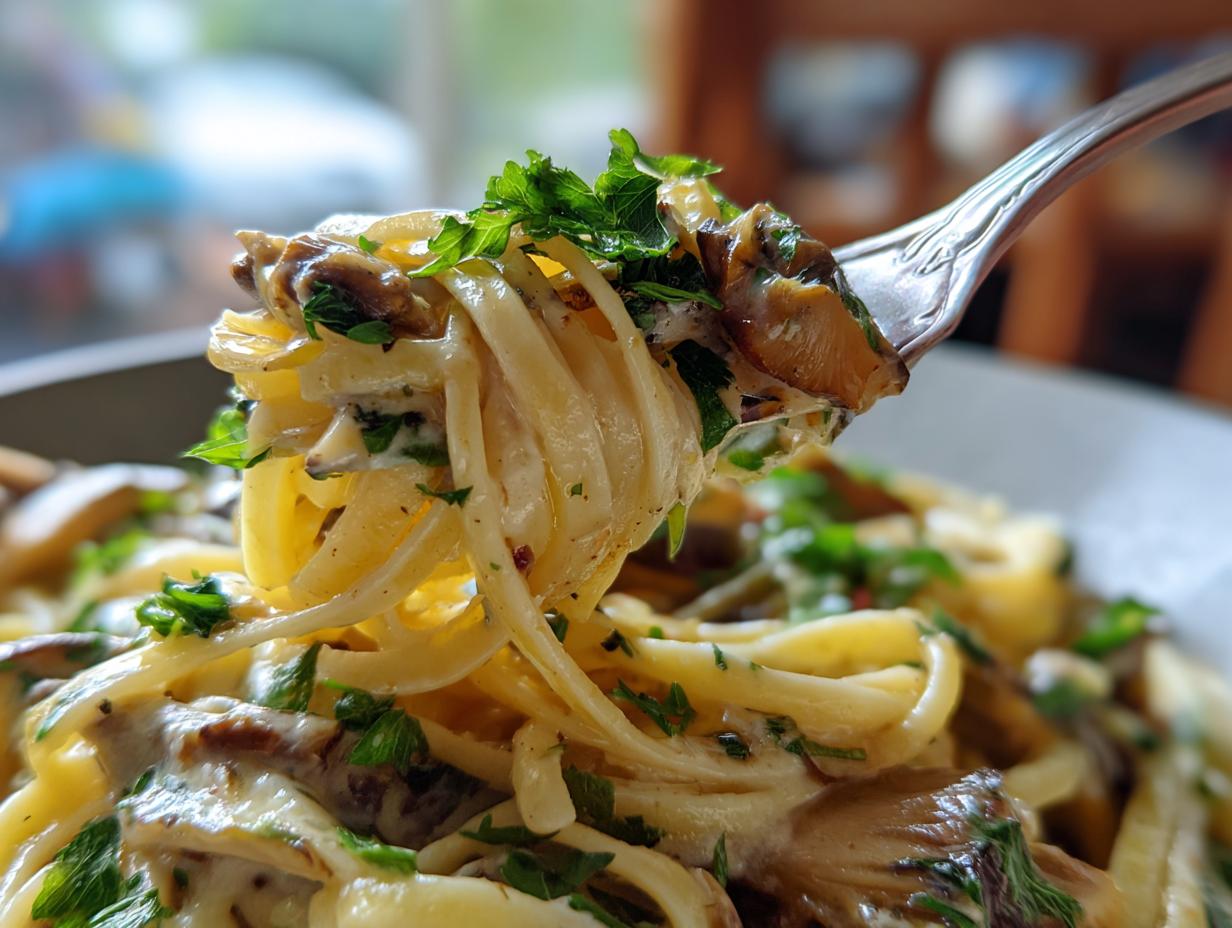

Oh my goodness, friend, if you’re looking for a dish that just *screams* spring and sunshine, you HAVE to try my Pasta Primavera! Seriously, it’s one of those recipes that instantly brightens up your day. I first fell head over heels for Pasta Primavera during a summer trip to Italy. I was expecting heavy, rich sauces, but then this incredibly vibrant, fresh dish landed on my table. It was bursting with colorful veggies and a light, delicate sauce – a total revelation!
Ever since then, I’ve been on a mission to recreate that magic in my own kitchen, and I think I’ve finally perfected it. This isn’t just any pasta dish; it’s a celebration of fresh produce, and it comes together so much faster than you’d think. Trust me, once you taste how incredible this homemade Pasta Primavera is, you’ll be making it again and again!
Why You’ll Love This Pasta Primavera
You’re going to absolutely adore this Pasta Primavera recipe, I just know it! It hits all the right notes for a perfect weeknight meal or a lovely weekend lunch. Here’s why it’s about to become a new favorite in your kitchen:
- Super Quick: We’re talking less than 35 minutes from start to finish! Perfect for those busy evenings.
- So Easy: Even if you’re new to cooking, these steps are straightforward and totally achievable.
- Flavor Explosion: Every bite is packed with fresh, vibrant flavors that just sing.
- Healthy & Wholesome: Loaded with colorful veggies, it’s a delicious way to get your nutrients.
- Totally Customizable: Feel free to swap out veggies based on what’s in season or what you love!
The Joy of Pasta Primavera
There’s just something so undeniably joyful about a big bowl of Pasta Primavera. It’s light, it’s bright, and it feels like a little bit of sunshine on a plate. Plus, it’s so versatile – great for a casual dinner, impressive enough for guests, and it always appeals to everyone!
Essential Ingredients for Your Pasta Primavera
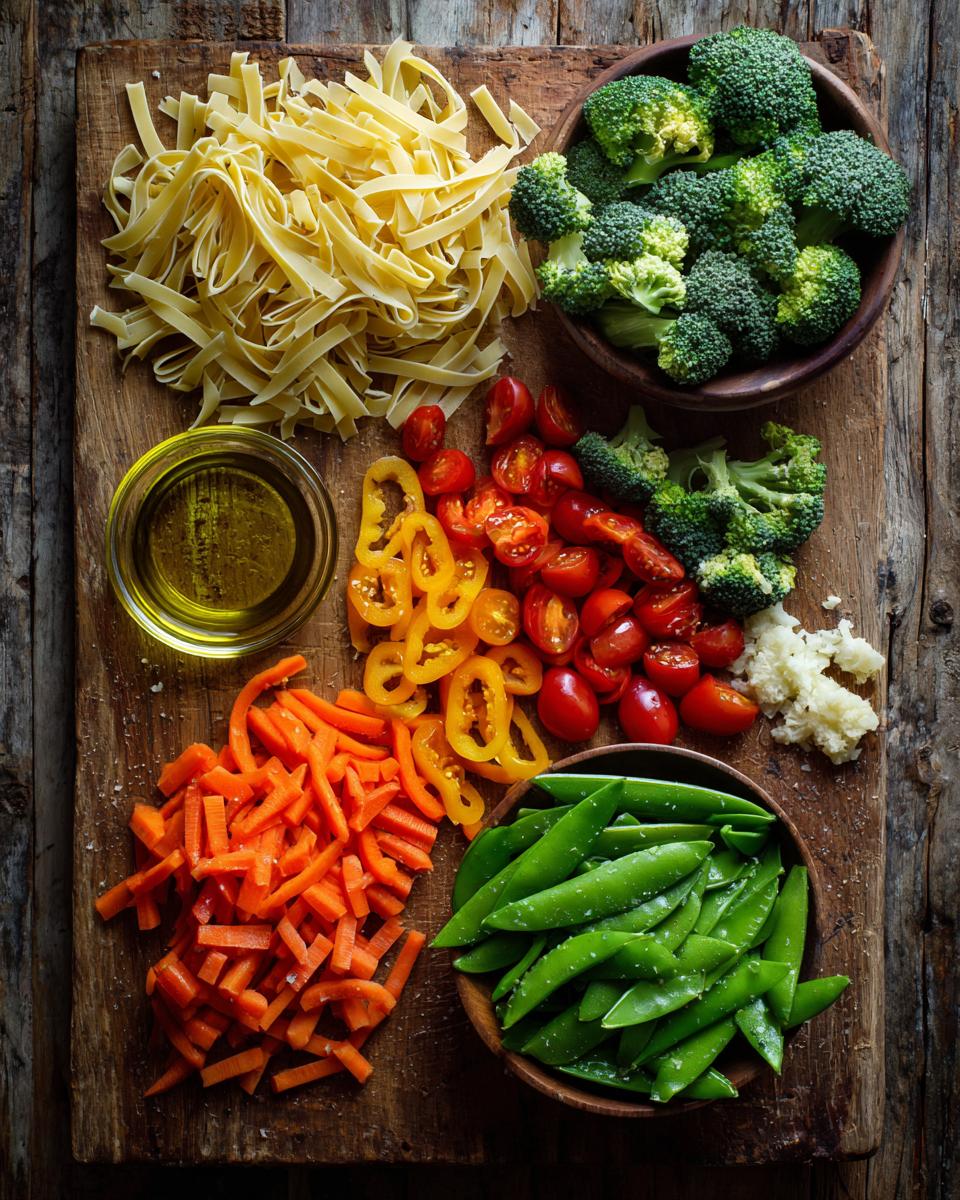
Alright, let’s talk ingredients! This Pasta Primavera is all about letting fresh, beautiful produce shine, so we’re keeping things simple but packed with flavor. You’ll need a good pound of your favorite pasta – I’m a big fan of fettuccine or penne for this, they really hold onto that lovely sauce. Then, get ready for a veggie party! We’re talking a cup (about 150g) of bright green broccoli florets, a cup (another 150g) of sliced carrots, and a cup (you guessed it, 150g) of crisp snap peas. Don’t forget half a cup (75g) of sliced bell peppers – any color works, but I love a mix! And half a cup (75g) of cherry tomatoes, halved, for that sweet burst.
For the aromatic base, grab two cloves of garlic, minced up nice and fine. The sauce itself is light but dreamy: a quarter cup (60ml) of vegetable broth, a quarter cup (60ml) of heavy cream (or your favorite dairy-free alternative if you prefer!), and a quarter cup (25g) of grated Parmesan cheese (again, dairy-free works great here!). A couple of tablespoons of fresh parsley, chopped, for that final burst of freshness, and of course, salt and black pepper to taste. That’s it! Simple, right?
Gathering Your Pasta Primavera Components
When you’re shopping for your Pasta Primavera, try to pick the freshest veggies you can find! Look for vibrant colors and firm textures. For the bell peppers, a mix of red, yellow, and orange not only looks gorgeous but adds different subtle sweet notes. Don’t skimp on the fresh garlic and parsley either – they really brighten up the whole dish. Good quality olive oil makes a difference too, so grab your favorite bottle!
Step-by-Step Guide to Perfect Pasta Primavera
Okay, let’s get cooking! This is where the magic happens, and I promise, it’s super straightforward. First things first, get a big pot of salted water boiling for your pasta. Once it’s at a rolling boil, toss in your pound of pasta. Cook it according to the package directions until it’s *al dente* – that’s Italian for “to the tooth,” meaning it should still have a little bite to it. While that’s bubbling away, don’t just pour all the water down the drain when it’s done! Make sure to reserve about half a cup of that starchy pasta water. It’s our secret weapon for a silky smooth sauce later, trust me!
While your pasta is doing its thing, grab a large skillet – the bigger, the better. Heat two tablespoons of olive oil over medium heat. Once it’s shimmering, add your broccoli florets and sliced carrots. Sauté them for about 3-5 minutes, just until they start to get a little tender-crisp. You don’t want them mushy! Next, toss in your snap peas and bell peppers. Give those another 2-3 minutes of cooking time. We’re building layers of flavor and texture here!
Now for the aromatic goodness: add your halved cherry tomatoes and minced garlic to the skillet. Cook for just one minute – the garlic should be fragrant, but don’t let it burn, or it’ll taste bitter. Quick, quick! Pour in your vegetable broth and heavy cream. Bring that mixture to a gentle simmer, just letting it warm through and mingle together. Finally, add your cooked pasta directly into the skillet with all those gorgeous veggies and sauce. Toss everything together, making sure every strand of pasta is coated.
Stir in your Parmesan cheese and fresh parsley. This is where it really starts to look like the Pasta Primavera of your dreams! If your sauce looks a little too thick, just drizzle in some of that reserved pasta water, a tablespoon at a time, until it reaches your desired consistency. Season generously with salt and black pepper to taste. Give it a final toss and serve it up right away!
Cooking Your Delicious Pasta Primavera
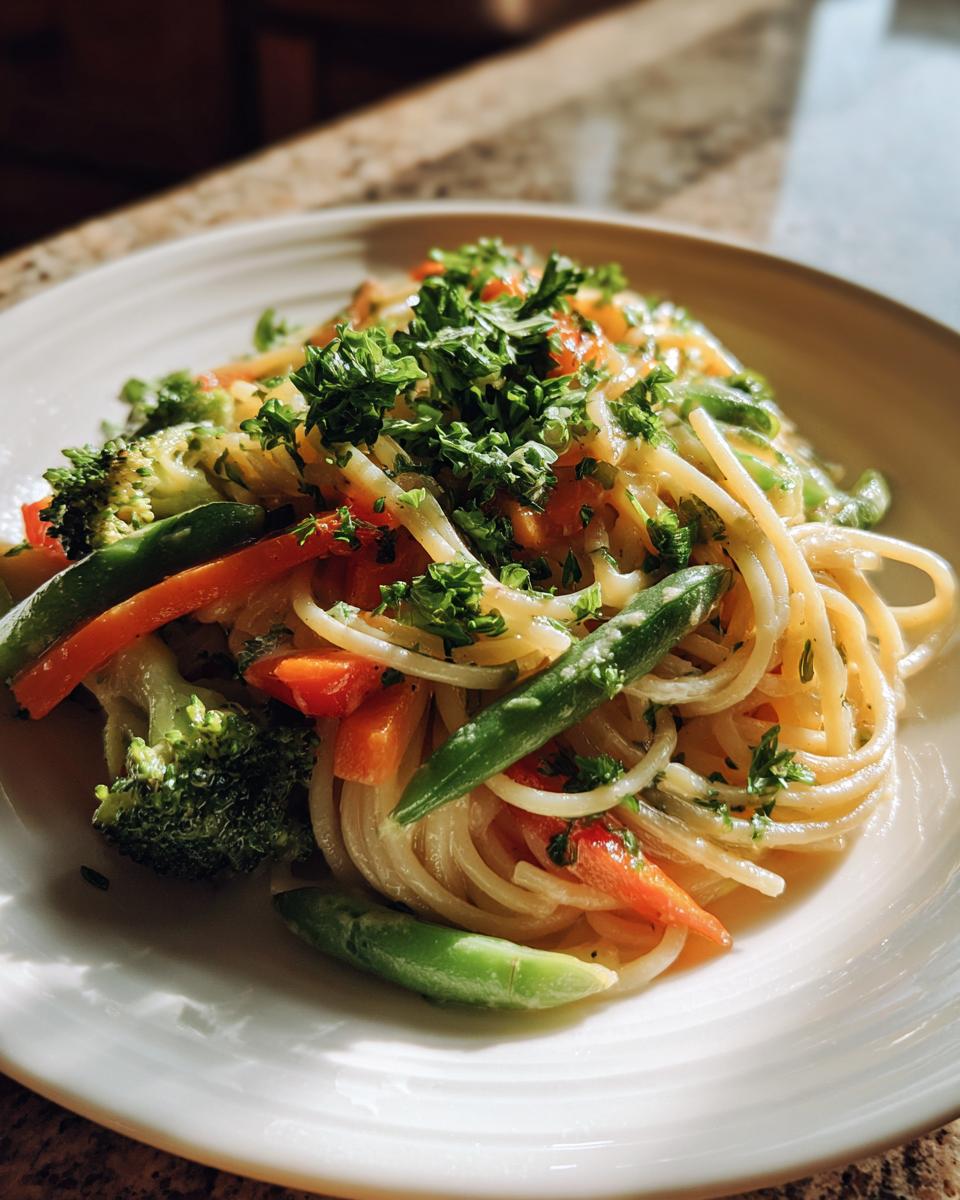
The key to a truly delicious Pasta Primavera is not overcooking your vegetables! We want them bright, colorful, and with just a little bit of a bite – what we call “tender-crisp.” Keep an eye on them while sautéing. For the sauce, don’t let it boil vigorously; a gentle simmer is perfect to warm everything through and allow the flavors to meld. And that reserved pasta water? Don’t forget it! It’s pure gold for adjusting the sauce’s consistency without diluting the flavor. You’re aiming for a sauce that coats the pasta beautifully, not a watery mess.
Tips for an Amazing Pasta Primavera
You’ve got the basics down, but here are a few extra little secrets to really make your Pasta Primavera sing! First, taste as you go! Seriously, don’t wait until the end to season. A little salt and pepper at each stage (when cooking the pasta, sautéing veggies, and finishing the sauce) builds layers of flavor. If you like a little heat, a pinch of red pepper flakes added with the garlic is a total game-changer – it just wakes everything up! Also, don’t be afraid to use a good quality olive oil; it truly makes a difference in the overall flavor of this dish. And finally, serve it immediately! This pasta dish is at its absolute best fresh off the stove, when the veggies are perfectly crisp and the sauce is just right.
Customizing Your Pasta Primavera
This is where you get to play! The beauty of Pasta Primavera is how adaptable it is. Asparagus spears in spring? Zucchini and yellow squash in summer? Spinach wilting into the sauce at the end? Yes, yes, and YES! Feel free to swap out any of the listed veggies for your favorites, or whatever looks best at the market. You can also add some fresh lemon zest at the end for an extra burst of brightness!
Serving and Storing Your Pasta Primavera
Once your beautiful Pasta Primavera is ready, dish it up right away! It’s fantastic all on its own, but if you want to make it a fuller meal, a crisp green salad with a light vinaigrette or some crusty bread for soaking up that delicious sauce would be perfect. As for leftovers, if you happen to have any (which rarely happens in my house!), pop them into an airtight container and they’ll keep happily in the fridge for up to 3 days. To reheat, I like to gently warm it on the stovetop with a splash of vegetable broth or water to bring the sauce back to life. Don’t microwave it unless you absolutely have to, it can make the pasta a bit rubbery!
Frequently Asked Questions About Pasta Primavera
Got questions about whipping up your perfect Pasta Primavera? I’ve got answers! It’s a pretty forgiving dish, but a few tips can make all the difference.
Q1. Can I make Pasta Primavera ahead of time?
Honestly, Pasta Primavera is best served fresh! The vegetables stay wonderfully tender-crisp, and the sauce is at its prime. If you absolutely have to, you can prep the veggies and cook the pasta ahead of time, then just toss everything together with the sauce right before serving. But for that true fresh taste, I always recommend making it right before you eat!
Q2. What pasta is best for Pasta Primavera?
Oh, the pasta choice! For Pasta Primavera, I love something that can really grab onto that light sauce and those lovely veggies. Fettuccine, penne, or even a nice rotini work beautifully. The wider noodles like fettuccine feel a bit more elegant, but shorter shapes are great for getting a little bit of everything in each bite. Pick your favorite!
Q3. How can I make Pasta Primavera vegan?
Super easy! Just swap out the heavy cream for a plant-based alternative like oat milk or cashew cream – make sure it’s unsweetened. And for the Parmesan, there are some fantastic dairy-free Parmesan options out there now. You’ll still get all that amazing Pasta Primavera flavor!
Q4. Can I add protein to Pasta Primavera?
Absolutely! This Pasta Primavera recipe is vegetarian, but it’s totally delicious with added protein. Cooked chicken, shrimp, or even some cannellini beans or pan-fried tofu would be fantastic additions. Just toss them in at the end when you’re combining the pasta and veggies with the sauce. It makes it even heartier!
Estimated Nutritional Information for Pasta Primavera
Just a heads-up, this is an estimate, but for one serving of this amazing Pasta Primavera (about a quarter of the recipe), you’re looking at roughly 450 calories. It’s got about 18g of fat (with 9g saturated), 55g of carbohydrates, and a good 16g of protein. Plus, you’re getting around 6g of fiber! Not too shabby for such a delicious, veggie-packed meal, right?
PrintPasta Primavera with Fresh Vegetables
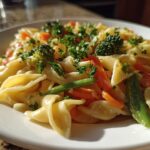
Fresh and vibrant pasta primavera, a delightful dish packed with seasonal vegetables and a light sauce.
- Prep Time: 15 minutes
- Cook Time: 20 minutes
- Total Time: 35 minutes
- Yield: 4 servings 1x
- Category: Main Dish
- Method: Sautéing
- Cuisine: Italian
- Diet: Vegetarian
Ingredients
- 1 pound (450g) pasta (such as fettuccine or penne)
- 2 tablespoons olive oil
- 1 cup (150g) broccoli florets
- 1 cup (150g) sliced carrots
- 1 cup (150g) snap peas
- 1/2 cup (75g) sliced bell peppers (any color)
- 1/2 cup (75g) cherry tomatoes, halved
- 2 cloves garlic, minced
- 1/4 cup (60ml) vegetable broth
- 1/4 cup (60ml) heavy cream (or a dairy-free alternative)
- 1/4 cup (25g) grated Parmesan cheese (or a dairy-free alternative)
- 2 tablespoons fresh parsley, chopped
- Salt and black pepper to taste
Instructions
- Cook pasta according to package directions until al dente. Drain, reserving 1/2 cup of pasta water.
- While pasta cooks, heat olive oil in a large skillet over medium heat.
- Add broccoli and carrots to the skillet. Sauté for 3-5 minutes until slightly tender-crisp.
- Stir in snap peas and bell peppers. Cook for another 2-3 minutes.
- Add cherry tomatoes and minced garlic. Cook for 1 minute until fragrant.
- Pour in vegetable broth and heavy cream. Bring to a simmer.
- Add cooked pasta to the skillet with the vegetables and sauce. Toss to combine.
- Stir in Parmesan cheese and fresh parsley.
- If the sauce is too thick, add a little reserved pasta water until desired consistency is reached.
- Season with salt and black pepper to taste. Serve immediately.
Notes
- Feel free to customize with your favorite seasonal vegetables like asparagus, zucchini, or spinach.
- For a spicier kick, add a pinch of red pepper flakes with the garlic.
- Leftovers can be stored in an airtight container in the refrigerator for up to 3 days.
Nutrition
- Serving Size: 1/4 of recipe
- Calories: 450 kcal
- Sugar: 8g
- Sodium: 350mg
- Fat: 18g
- Saturated Fat: 9g
- Unsaturated Fat: 7g
- Trans Fat: 0g
- Carbohydrates: 55g
- Fiber: 6g
- Protein: 16g
- Cholesterol: 40mg